Vinyl / PVC Fences
Low-maintenance vinyl fencing that delivers lasting beauty without the hassle of painting, staining, or constant upkeep.
The Vinyl Advantage
Vinyl fencing has become increasingly popular with Elizabethton homeowners who want beautiful results without ongoing maintenance. Unlike wood that requires regular staining and painting, vinyl maintains its appearance year after year with nothing more than occasional washing. It won't rot, warp, or split. It resists insects, moisture, and UV damage. This durability translates to decades of service with minimal effort on your part.
Modern vinyl fencing looks remarkably realistic, with textures and colors that mimic natural wood grain. You get the aesthetic appeal of traditional fencing combined with space-age durability. Vinyl fences won't fade significantly over time thanks to advanced UV inhibitors mixed throughout the material. The color goes all the way through, so scratches or scuffs are barely noticeable. This means your fence looks nearly as good in ten years as it did on installation day.
Key Benefits of Vinyl Fencing
- •Never needs painting, staining, or sealing throughout its lifetime
- •Resists rot, decay, insects, and moisture damage that destroys wood
- •Cleans easily with soap and water or a garden hose
- •Maintains color and appearance for decades without fading
- •Comes with manufacturer warranties, often 25 years or lifetime
Vinyl Fence Styles and Options
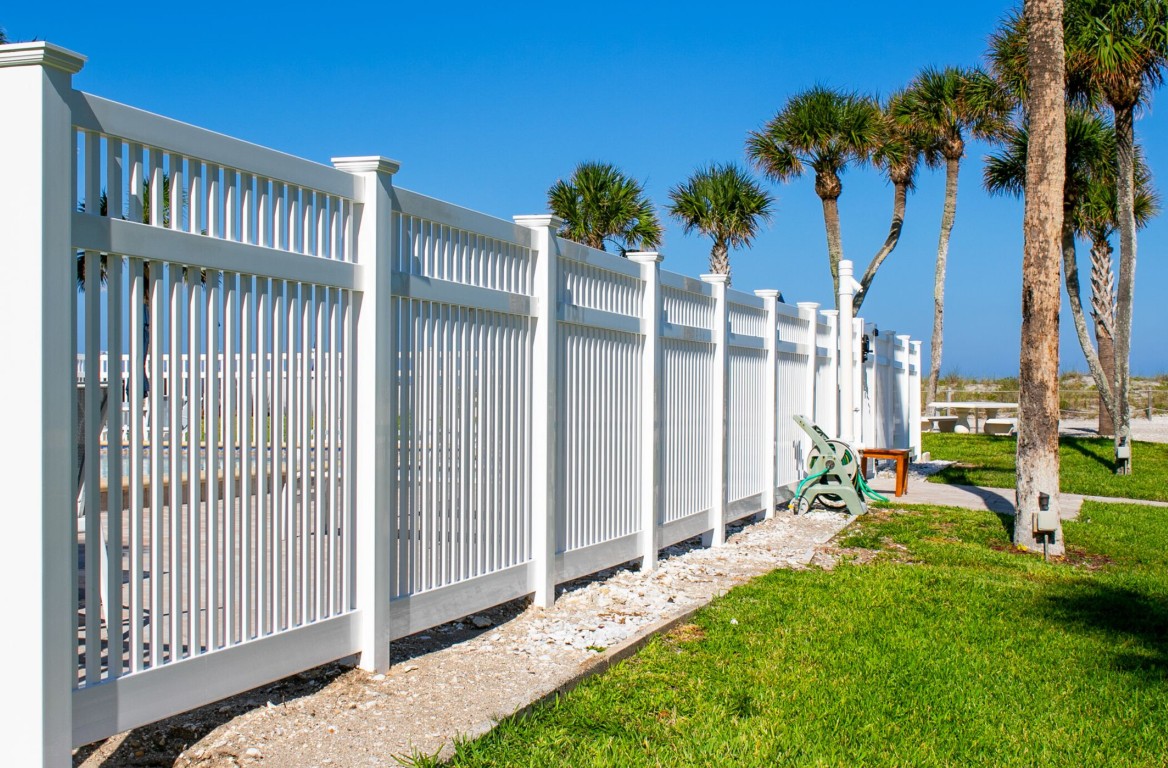
Vinyl fencing comes in numerous styles to suit different needs and preferences. Privacy fences are among the most popular, featuring solid panels that block sight lines and reduce noise. These fences typically stand six feet tall and provide complete backyard seclusion. Semi-privacy styles incorporate spacing between boards for airflow while still offering substantial privacy. Picket fences bring classic charm to front yards and garden areas, perfect for defining spaces without creating barriers.
Colors and Finishes
White remains the most popular vinyl fence color, offering clean, crisp appearance that complements any home. Tan and beige options provide warm, neutral tones that blend naturally with outdoor environments. Gray tones work well with contemporary architecture and stone accents. Some manufacturers offer wood-grain textures in various colors, giving you the look of painted or stained wood without the maintenance. The color you choose is permanent, so we help you select the right option for your long-term vision.
Height and Configuration Options
Standard vinyl fence heights range from three feet for decorative borders to six feet or more for privacy applications. Most styles can be customized with different post caps, from simple flat tops to decorative ornamental designs. You can mix fence heights across your property, using taller sections for privacy in the backyard and shorter decorative fencing in front. We'll help you design a configuration that meets local regulations while achieving your functional and aesthetic goals.
Vinyl vs. Wood: Making the Right Choice
Many customers ask us to compare vinyl and wood fencing. Both have advantages depending on your priorities. Wood fences cost less initially and offer unlimited customization possibilities. You can stain or paint wood any color and modify designs easily. Wood provides a natural, traditional look that many homeowners prefer. However, wood requires regular maintenance and will eventually need replacement.
Long-Term Cost Considerations
Vinyl costs more upfront but often saves money over time. When you factor in staining, painting, and eventual replacement costs for wood, vinyl's total cost of ownership becomes competitive. A vinyl fence requires virtually no maintenance expenses beyond occasional cleaning. It lasts longer than wood in most cases, potentially 30 years or more. If you plan to stay in your home long-term and prefer minimal maintenance, vinyl delivers excellent value.
Environmental and Practical Factors
Vinyl manufacturing has environmental considerations, though modern recycling programs help. Wood is renewable but requires treatment chemicals or ongoing finishes. From a practical standpoint, vinyl performs better in high-moisture areas and withstands Tennessee weather extremes effectively. Wood offers easier repairs when damage occurs, as individual boards can be replaced. Vinyl repairs sometimes require panel replacement. We'll discuss these trade-offs honestly so you can make an informed decision.