Wood Fences
Classic wood fencing that combines natural beauty, versatility, and proven durability for your property.
Why Choose Wood Fencing
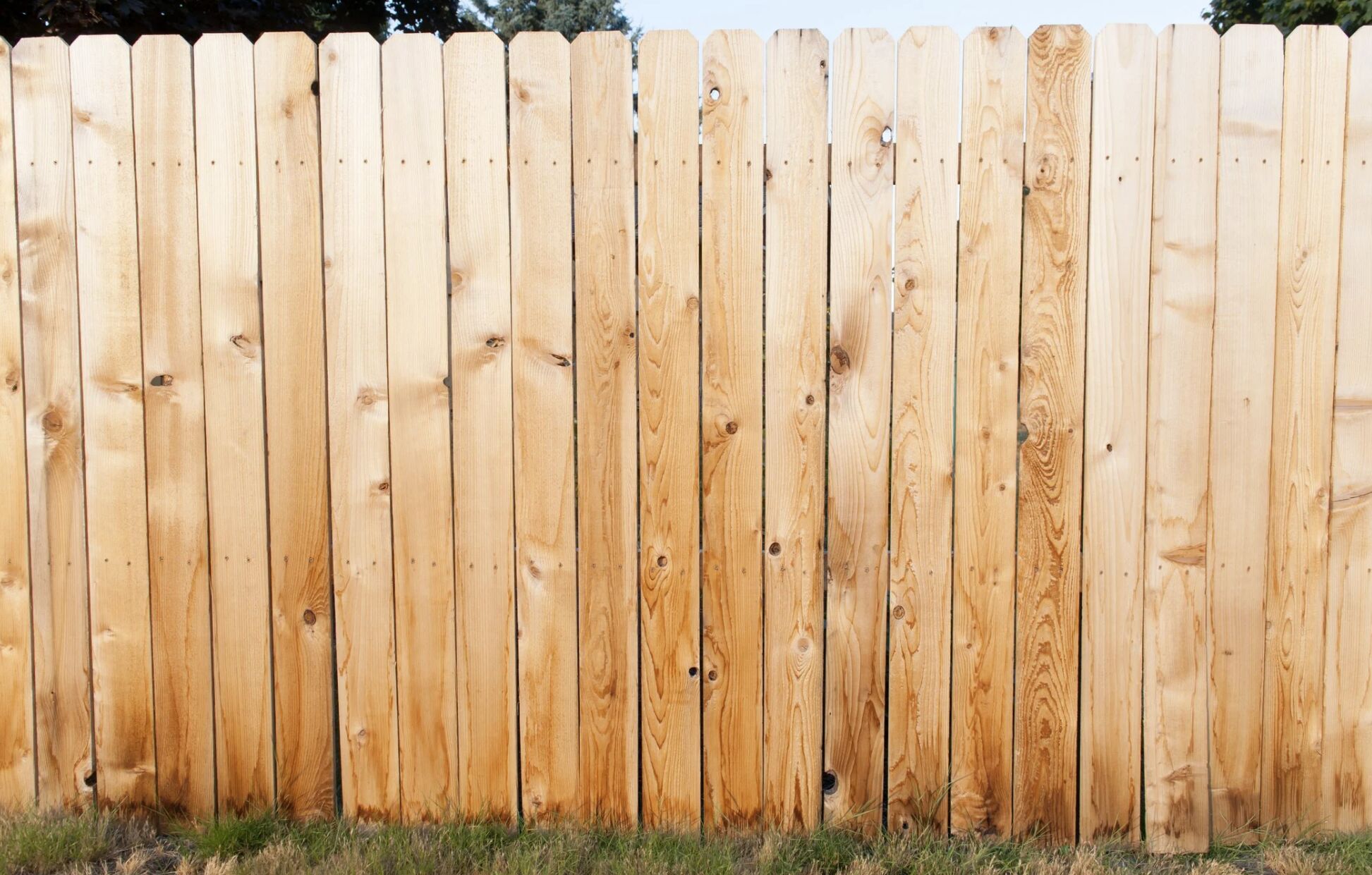
Wood has been the go-to fence material for generations, and for good reason. It offers a warm, natural appearance that complements any home style, from traditional to contemporary. Wood fences provide excellent privacy when built as solid board-on-board or privacy panels. They're also versatile enough for decorative picket styles, horizontal slat designs, or custom configurations. You can stain or paint wood to match your home's exterior, creating a cohesive look across your property.
Wood fencing remains one of the most cost-effective options for Elizabethton homeowners who want quality results without breaking the bank. The material costs less than many alternatives while delivering superior privacy and aesthetic appeal. Wood is also readily available, which means faster project completion and easier repairs down the road. When properly maintained, a quality wood fence can last 15 to 20 years or more, and any skilled fence contractor will back that up with proper post-setting and material selection from day one.
Popular Wood Fence Styles
- •Privacy fences with solid panels for complete seclusion and noise reduction
- •Picket fences with classic charm for front yards and decorative boundaries
- •Board-on-board construction that provides privacy while allowing air flow
- •Horizontal slat fencing for a modern, contemporary aesthetic
- •Split rail fences for rustic, open boundary marking
Choosing the Right Wood Species
The type of wood you select affects your fence's durability, appearance, and maintenance needs. Cedar is the most popular choice for residential fencing because it naturally resists rot, decay, and insect damage. Its beautiful grain and color age gracefully to a silvery gray, or you can maintain the original color with periodic staining. Cedar costs more than pine but lasts longer with less maintenance, making it a smart investment.
Pressure-Treated Pine
Pressure-treated pine offers excellent value for budget-conscious homeowners. The treatment process forces preservatives deep into the wood, protecting against rot, decay, and termites. Modern treatments are safe for residential use and significantly extend wood life. Pressure-treated pine works well for fence posts and structural components. It accepts stain and paint readily, allowing you to customize the appearance. This material provides reliable performance at a lower initial cost than cedar or other premium woods.
Combining Materials for Best Results
Many of our customers choose a hybrid approach that balances cost and performance. We often recommend pressure-treated pine for posts and structural framing, paired with cedar for visible fence boards. This combination puts treated wood where it matters most for longevity while using attractive cedar for the fence face. You get durability where you need it and beauty where you see it, all at a reasonable total cost. Any experienced fencing business will tell you the same thing: matching the right materials to the right application is what separates a fence that lasts from one that doesn't.
Maintaining Your Wood Fence
Wood fences require some maintenance to look their best and last as long as possible. The good news is that maintenance doesn't need to be complicated or time-consuming. A little attention goes a long way toward protecting your investment. Basic maintenance starts with keeping the fence clean. Remove dirt, mildew, and debris annually with a garden hose or pressure washer on a low setting. This prevents buildup that can trap moisture and accelerate decay.
Staining and Sealing
Applying stain or sealant protects wood from moisture and UV damage. How often you need to restain depends on the product used and sun exposure. Most wood fences benefit from fresh stain or sealant every two to four years. You can choose from clear sealers that showcase natural wood grain, semi-transparent stains that add color while showing wood texture, or solid stains that provide opaque coverage. The right choice depends on your aesthetic preferences and how much of the natural wood character you want to preserve.
Addressing Minor Issues Early
Inspect your fence periodically for loose boards, protruding nails, or early signs of rot. Catching these issues early makes repairs simple and inexpensive. Tighten loose fasteners, replace damaged boards promptly, and trim vegetation that touches the fence. Good maintenance practices help your wood fence reach its full lifespan potential. If you prefer a lower-maintenance option, consider our vinyl fencing alternatives that never need painting or staining.